People-Centered Discipleship: Starting with Purpose
If there was ever a new convert who needed discipleship, it was Jim Wiegand. He accepted Christ as a temporarily unhoused 16-year-old during a Christian rock concert in Detroit, Michigan. It took time to move beyond his background of addiction and family issues, and when Wiegand joined the U.S. Army, his newfound faith wavered. But a persistent friend invited him to church, and several weeks later, “the prodigal returned” as the pastor’s message stirred his heart.
After completing his enlistment, Wiegand joined Master’s Commission in Phoenix, Arizona, under the leadership of AG ordained minister Tommy Barnett; and eventually found his way to the staff of First Assembly of God in Prescott, Arizona, where Stephen Harris, later a network superintendent for the Arizona Ministry Network, served as pastor. Both men played a significant discipleship role in Wiegand’s spiritual journey.
In 1995, Wiegand, his wife Dena, and their two young sons moved to Fenton, Michigan, where they serve as lead and executive pastors at Freedom Center Church.
In addition to personal experience with the importance of discipleship, Wiegand saw the need even more as a youth pastor and senior pastor, particularly noting reluctance in church youth to learn doctrine and memorize Scripture. When offered a class in basic doctrine, few young people participated and their lack of engagement was obvious; to solve this problem, the same classes were reframed as “spiritual self-defense” and “how to find your God-given purpose.” As part of the class, Wiegand questioned the youth about their dreams and goals, and found that only about 20% could actually articulate a life goal they were passionate about. He then wondered if that tendency applied to the spiritual lives of adults as well.
Based on his own experience, Wiegand realized that times of pain people go through can help identify areas of future calling. Helping people view pain as a way to better understand Jesus’ suffering, and asking questions about that pain, can help uncover areas of need they now better understand. Combined with those questions, people can also be helped to discover their proficiencies, areas where God has gifted them with ability.
“The idea is to release people to be who God created them to be, not necessarily to fill a particular vacancy on the assembly line of church growth,” says Wiegand—although the number of people serving at Freedom Center has dramatically increased in proportion to the focus on discipleship.
This follows a pattern described by former Assistant General Superintendent Alton Garrison in the Acts 2 Journey materials, which were developed to help revitalize plateaued churches. As people shift to seeing themselves as disciple-makers, the whole church vision can better reflect the Great Commission.
As people uncover their passion, pain, and proficiencies, they move forward in their God-given purpose; and in doing so, their interest in fasting, prayer, and memorizing Scripture also increases as they want to become better equipped for their assignments. As new Christians grow in such disciplines, they can better disciple others.
Discipleship requires more than information, it requires relationship.
“How many people can name five sermons that changed their life?” asks Wiegand. “Asking that question in thousands of face-to-face conversations over the past 30 years, the answer has been almost no one. But changing just one word and asking how many can name five people that have changed their life, the answer is, everyone.”
As for the practicalities of implementing such discipleship, at Freedom Center Church, it begins as soon as people respond to an altar call or are led to Christ. Referencing Ephesians 2:10, altar workers ask new believers what they believe God’s purpose is for them now that they have been saved. That question begins the discipleship journey and plants seeds of purpose.
New attendees, as well as visitors to the church website, find a “10 x 10” video series, ten-minute descriptions of key next steps, including the “passion, pain, proficiencies” concept. In-person contact is also a priority, as new believers are also introduced to church members who encourage them in the journey and begin to form relationships through which discipleship can take place.
Arizona Ministry Network Superintendent Jeff Peterson, commenting on the importance of discipleship for developing believers and equipping them to disciple others, says that he appreciates Weigand’s fresh approach to discipleship.
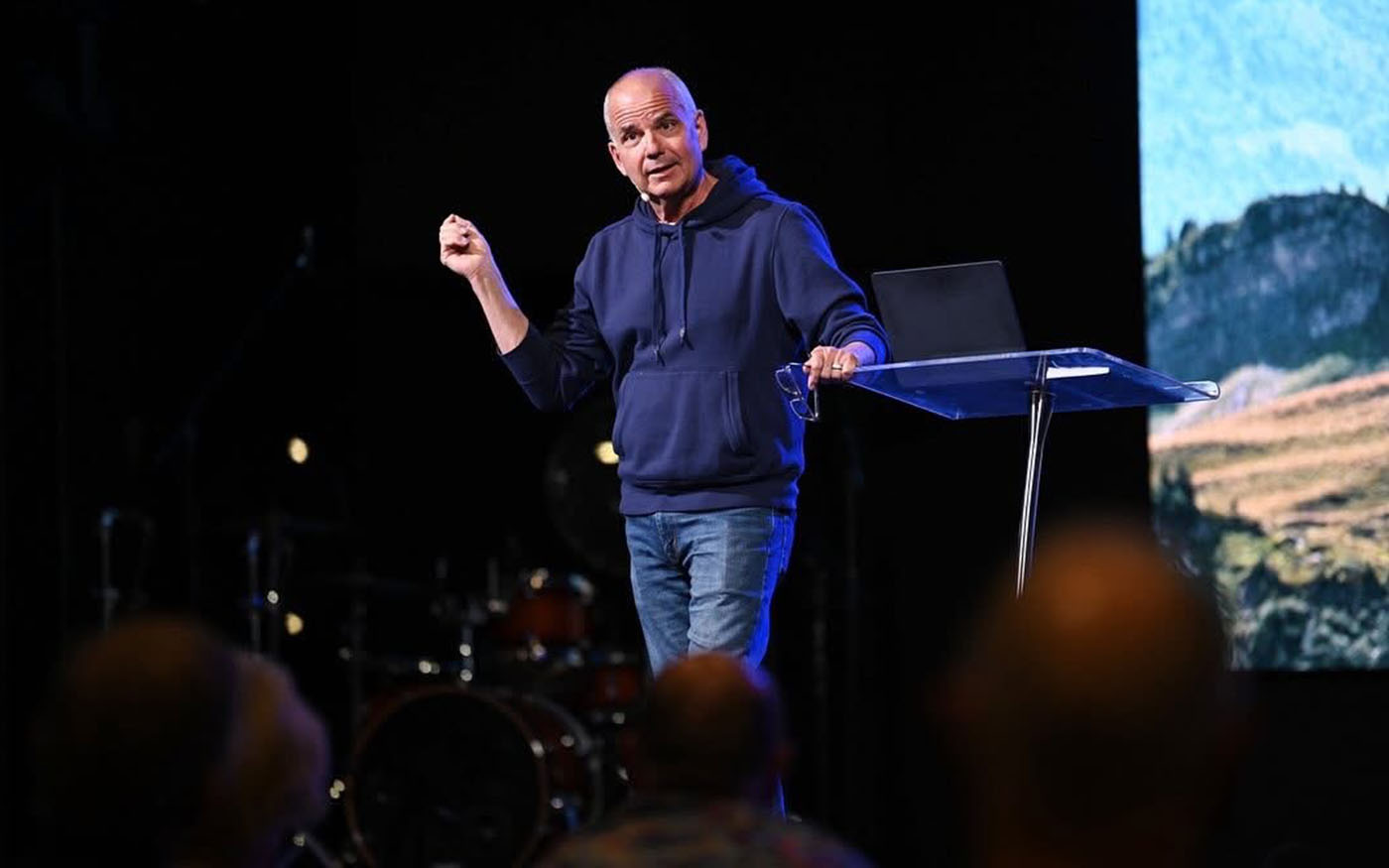
Wiegand’s passion for discipleship that “releases rather than recruits” has led to books on the topic. After reading Wiegand’s book, Why Is Greater, Peterson invited him to revisit his Arizona roots as a session speaker for the 2024 Network Conference, which district leaders say stirred hearts and inspired pastors. Attendees were encouraged to start casting vision and inviting individuals in the church to lunch or coffee to personally share the vision for renewed discipleship.
Results at Freedom Center and other churches seem to show that focusing on God’s will and plan for each person, guiding them to the “sweet spot” where their passion, pain, and proficiencies intersect, empowers them to be their best for God.
Sunday morning attendance at Freedom Center grew from an average of 99 to over 1,500 in the first ten years of embracing the concept, and the number of people serving has increased to a point where volunteers rotate serving two Sundays per month to make room for all who want to serve. Leadership for several church plants, in a city of 12,000 people, has also come from the pews of FCC.
“We haven’t ‘hired off a resume’ in years” says Wiegand. “Every staff member has come from the congregation.”
As surveys indicate over half of Americans want more meaning and purpose in their lives, Wiegand says, “True discipleship answers those questions in light of the message of Jesus, that life purpose is found in Him and who He made you to be.”